What Is Residential Care and Who Is It Suitable For?

When families first begin looking at care options, one question often comes up before any other: what exactly is residential care?
Many people imagine that moving into a care home means giving up independence or changing everything about daily life. In reality, modern residential care is designed to do the opposite. It provides the right level of support while helping residents continue enjoying their routines, interests and relationships in a safe and welcoming environment.
If you are exploring care for yourself or someone you love, understanding what residential care involves can make the decision feel much less overwhelming.
Understanding Residential Care
Residential care provides day-to-day support for older adults who would benefit from extra help with everyday tasks but may not require ongoing nursing care.
This support can include assistance with personal care, dressing, mobility, medication management and meals, while encouraging residents to remain as independent as possible.
Rather than focusing only on practical support, residential care is about creating an environment where residents feel part of a community, build friendships and enjoy meaningful experiences every day.
For many people, it offers reassurance, companionship and the opportunity to live life with confidence.


Who Is Residential Care Suitable For?
Every resident has their own story and their own reasons for moving into a care home, but there are some common signs that residential care could be beneficial.
Perhaps everyday household tasks have become increasingly difficult, or preparing meals is becoming a challenge. Maybe family members are providing more support than ever before and are worried about safety or loneliness.
Some people choose residential care after a hospital stay, while others simply want to enjoy life without the responsibilities of maintaining a home.
Residential care provides professional support while allowing residents to continue making their own choices and enjoying their independence.
A Typical Day in Residential Care
No two days need to be the same.
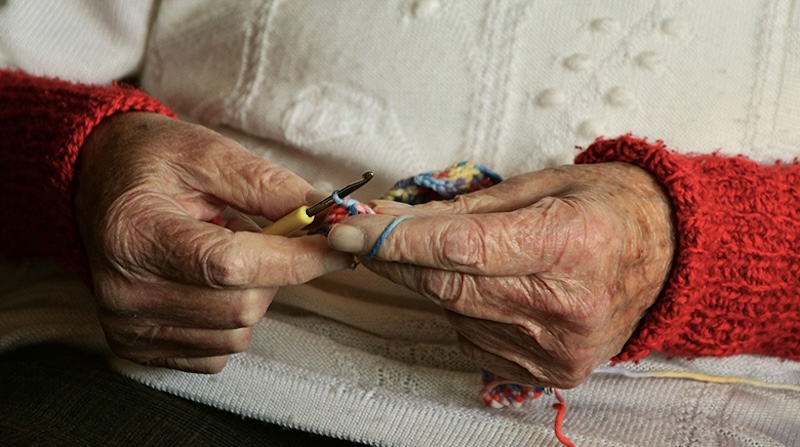
Residents can choose how they spend their time, whether that means enjoying breakfast with friends, taking part in an exercise session, joining an arts and crafts activity, relaxing with a book or spending time in the garden.
Visits from family and friends remain an important part of everyday life, and many homes organise community events, entertainment and local outings that help residents stay connected with the world around them.
Having support available around the clock gives residents and families peace of mind, while still allowing individuals to enjoy their own routines and preferences.

The Importance of Person-Centred Care
The best residential care begins with getting to know the individual.
Every resident arrives with their own hobbies, interests, life experiences and routines. A personalised care plan helps ensure these continue wherever possible.
Someone who enjoys gardening may spend time outdoors, while another resident may enjoy music, reading or baking. Small details such as preferred meal times, favourite drinks or evening routines all contribute to making care feel personal and familiar.
This person-centred approach helps residents feel comfortable, respected and valued from the moment they arrive.
Building Friendships and Confidence
One of the greatest benefits of residential care is the opportunity to become part of a welcoming community.
Many older adults experience loneliness when living alone, especially if mobility becomes limited or family members live further away.
Sharing meals, taking part in activities and simply enjoying conversation with others can have a positive impact on wellbeing and confidence.
Over time, many residents develop lasting friendships and discover new hobbies they may never have tried before.
Planning for the Future
Care needs naturally change over time, which is why choosing a home that offers a continuum of care can provide reassurance for families.
If a resident's needs become more complex, support can often be adapted without the disruption of moving to an unfamiliar environment.
Knowing that care can evolve alongside changing needs provides stability, consistency and peace of mind for both residents and their loved ones.
Is It the Right Time?
There is rarely one single moment when families know it is time to consider residential care. More often, it is a series of small changes that gradually become harder to ignore.
Perhaps shopping feels exhausting, medication is occasionally forgotten, or a loved one seems increasingly isolated at home.
Many families say they wish they had explored residential care sooner, as they see their loved one become more relaxed, socially connected and confident once daily pressures are lifted.



Residential Care at Raemoir Manor Care Home
At Raemoir Manor Care Home in Banchory, we believe that residential care should feel exactly that: a place to live, enjoy and call home.
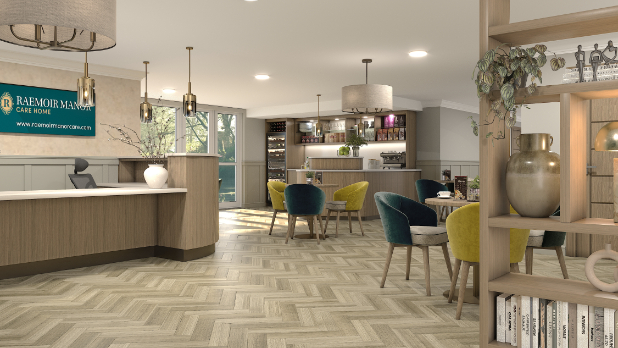
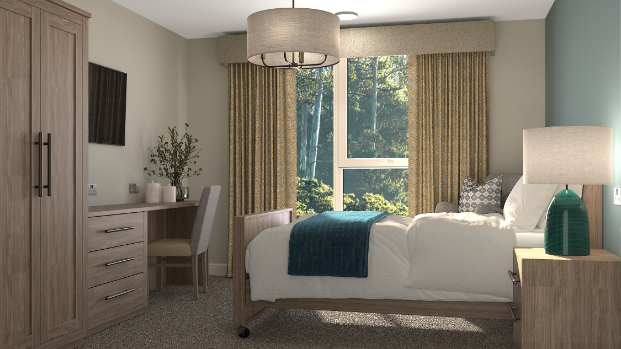
Our dedicated team takes the time to understand every resident as an individual, creating personalised care that supports independence while providing reassurance whenever it is needed. From welcoming communal spaces and engaging daily activities to freshly prepared meals and meaningful companionship, every part of life at Raemoir Manor is designed to promote comfort, wellbeing and connection.
Whether you are planning for the future or looking for support now, we are here to help you explore your options and find the care that feels right for you and your family.